

If you know the Loire Valley, you may have an idea of what awaits you in the Jelenia Góra Valley. Within a small area at the foot of the Karkonosze Mountains, dozens of palaces, manor houses and park estates are concentrated—the highest density of residences in Europe outside France.
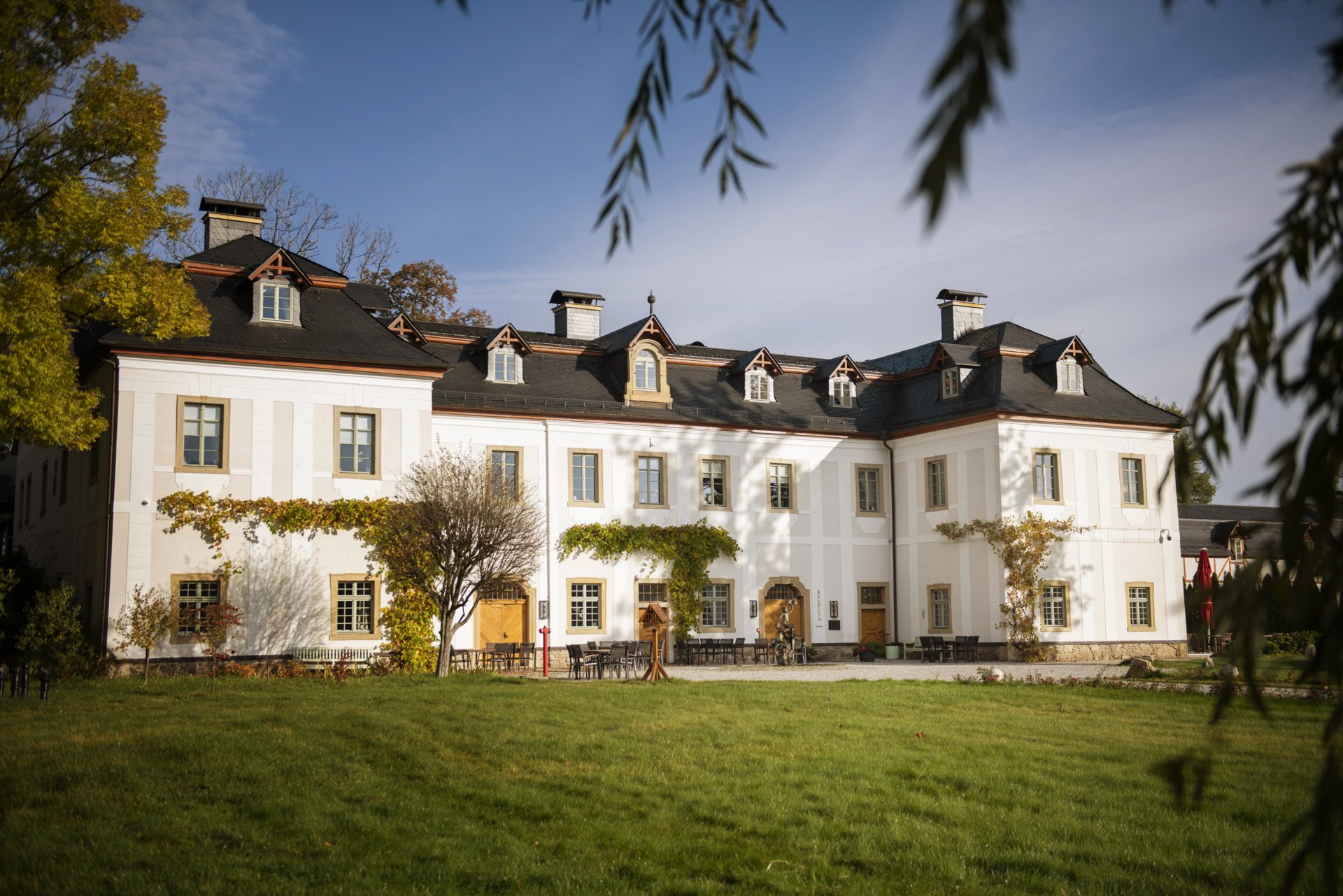
The best way to discover these palaces is to have one permanent base from which to set out every morning and to which you return in the evening. That place could be Pakoszów Palace—not only because it is accommodation, but because it is one of the palaces that form part of the same history.
Why are there so many palaces in one valley?
It is no coincidence. A specific history lies behind this concentration. Two forces met here: the wealth of Jelenia Góra’s linen merchants, who supplied cloth to all of Western Europe, and the Prussian aristocracy, which discovered the valley as a summer paradise.
The turning point came in 1822, when Prince Wilhelm, the brother of the King of Prussia, chose the castle in Karpniki as his summer residence. In 1832, King Frederick William III himself bought Mysłakowice and gave his daughter the palace in Wojanów. Wherever the king lived, the court followed—and so a mosaic of residences came into being unlike anywhere else in Poland.
This entire history—the Tyrolean colony, Wang Church, 1945 and the post-war revival—is described in detail in the article Following the Trail of Old Silesia.
The Valley’s most beautiful palaces—what is worth seeing
The palaces of the Jelenia Góra Valley are often just a few to a dozen minutes’ drive from one another. Some are so close that you can walk between them.
Łomnica Palace
A canary-yellow palace on the Bóbr River—one of the most beautiful in the entire valley. It was bought in 1835 by a newly ennobled Prussian official for a simple, human reason: he wanted to live next door to the royal family. Today, it houses a hotel, museum and cultural centre, while a multimedia exhibition presents three centuries of the residence’s life.
An anecdote often told here is that, while clearing out the cellar, one of the former owners overseeing the reconstruction broke through the floor, broke her leg—and happened to discover a previously unknown spring.
Wojanów Palace and Karpniki Castle
Wojanów is a white, Neo-Gothic residence bought by King Frederick William III in 1839 for his daughter Luisa. The grand ballroom with a two-storey window opening onto the park dates from this period. Today, it is the largest palace hotel in the valley. The parks of Wojanów and Łomnica, located opposite each other on the Bóbr, form a unified composition, with sightlines extending from one bank to the other.
Karpniki, in turn, is a Neo-Gothic little castle on the water, situated on an island connected to the mainland by a footbridge. Prince Wilhelm bought it in 1822—this very purchase initiated the fashion for the valley among the Prussian aristocracy. The history of the site dates back to the 14th century, while its heating and hot water are now powered by its own thermal spring.
Staniszów Palace
Until 1945, Staniszów belonged to the Saxon von Reuss family. Today, it is worth visiting for two reasons. First, it is where the famous local herbal liqueur Stonsdorfer is produced. Second, in the romantic English-style park—one of the first such estates in Lower Silesia—a hermit’s grave was once staged, even though the hermit never existed. Baroque longing for romanticism in its purest form.

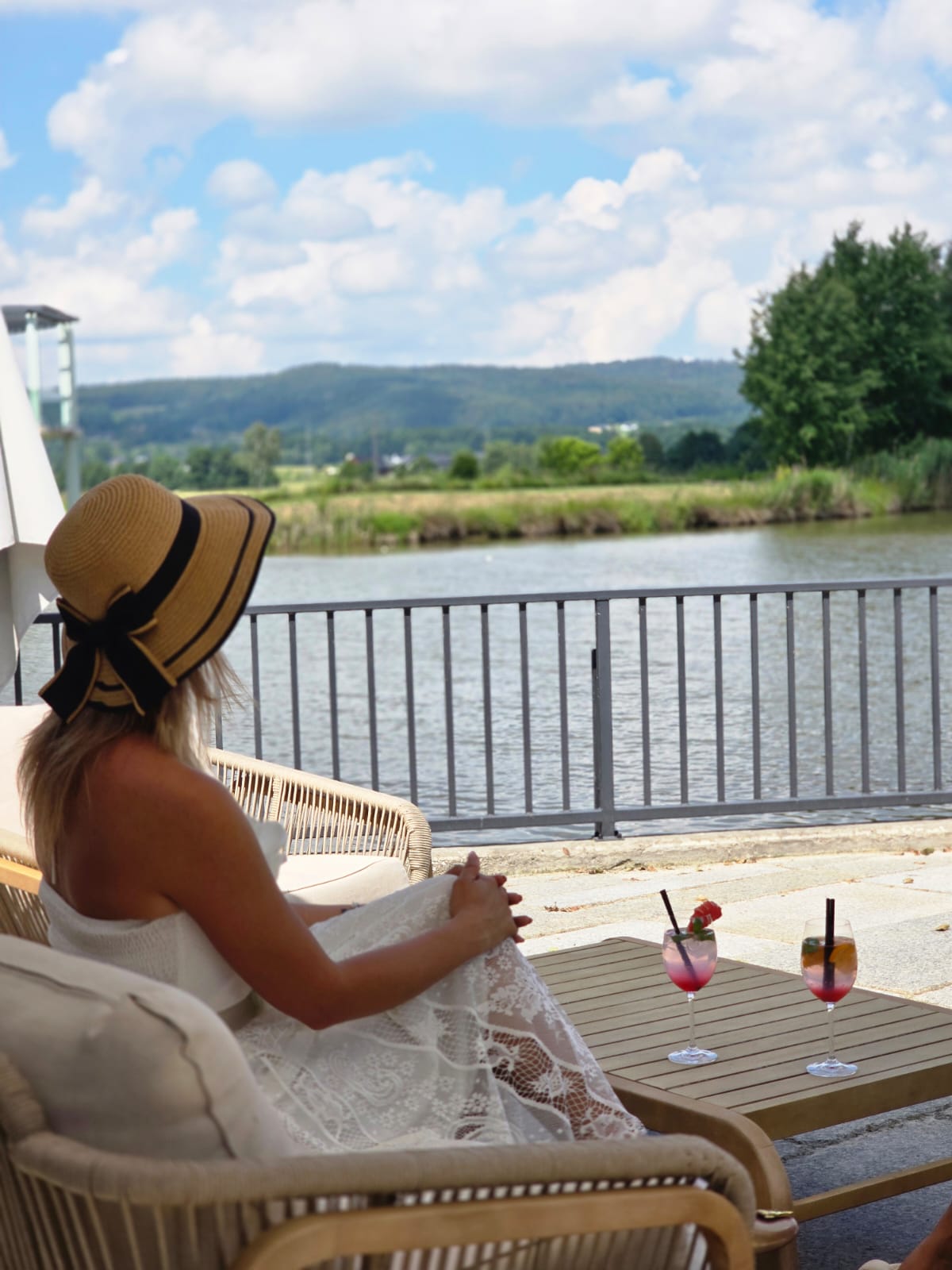
Pakoszów Palace—Your Home During This Journey
Most visitors come to the Valley of Palaces to see palaces. The best idea is to stay in one of them.
Pakoszów Palace was built in 1725 as the residence of a linen merchant, with a bleaching works on the ground floor and grand reception rooms upstairs. Frederick the Great and John Quincy Adams were among its guests. Today, it is a five-star hotel and the base for the entire route. Read more about the history of the palace on the website.
From Pakoszów, none of the main palaces is more than twenty or thirty minutes away by car. Łomnica, Wojanów, Karpniki, Staniszów—all can be visited in one day. And in the evening, you stay not in an ordinary hotel, but in a palace with a history.
A ready-made two-day plan
A tried-and-tested itinerary based at Pakoszów:
Day 1—the valley: Morning in Łomnica with its multimedia exhibition, a walk along the Bóbr to Wojanów, and the afternoon at the castle on the water in Karpniki. Evening—return to the palace.
Day 2—the mountains and surroundings: A morning hike in the Karkonosze Mountains, for example to Kamieńczyk Waterfall; Staniszów with its park and herbal liqueur in the afternoon; and Wang Church in Karpacz along the way.
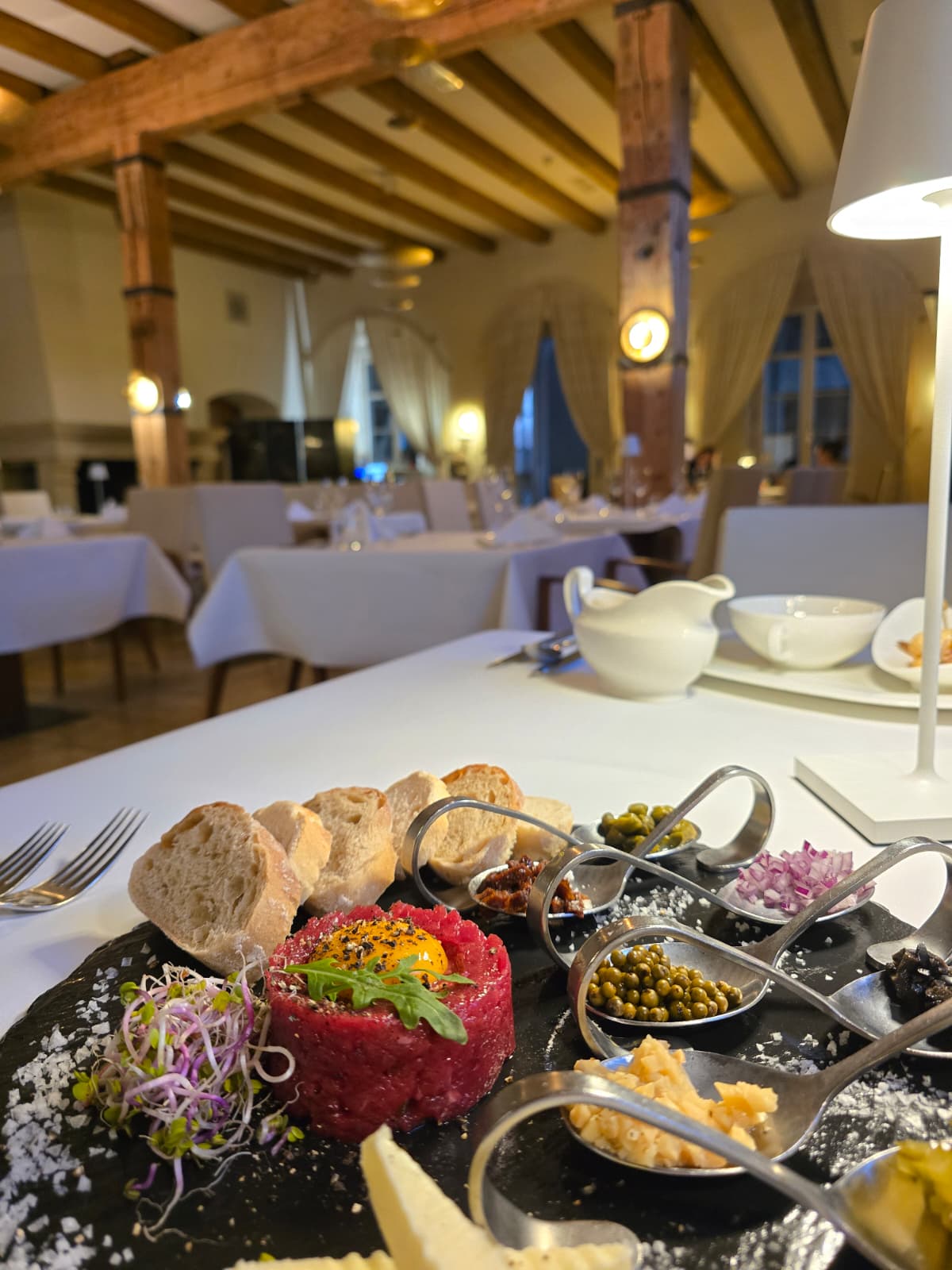
It is worth ending the evening with dinner at Stara Bielarnia Restaurant—a former linen bleaching works, now a restaurant with a terrace overlooking the pond.
Plan your palace tour with Pakoszów Palace as your base
The Valley of Palaces and Gardens is a place you cannot see in one day. You need time—and a good base from which to set out and to which you can return comfortably.
Check availability and book your stay → Pakoszów Palace packages and offers
FAQ—Valley of Palaces and Gardens
How many palaces are there in the Jelenia Góra Valley?
The Valley of Palaces and Gardens is home to dozens of palaces, manor houses and park estates—the highest density of residences in Europe after the Loire Valley. Eleven of them, together with their parks, have been included on the list of Poland’s Historic Monuments. Many now operate as hotels or museums.
Which palaces in the Valley are worth seeing?
Among the most beautiful are Łomnica Palace with its multimedia exhibition, the Neo-Gothic Wojanów Palace, the castle on the water in Karpniki, and Staniszów Palace with its English-style park. Pakoszów Palace is an ideal base for exploring the entire route.
How much time is needed to explore the Valley of Palaces?
A weekend with two nights at Pakoszów Palace is enough to see the key sites—one day for the valley with Łomnica, Wojanów and Karpniki, and the second for the Karkonosze Mountains and Staniszów. Those who want to explore more deeply should plan three to four nights.
Can you stay in a palace in the Jelenia Góra Valley?
Yes—several palaces now operate as hotels. Pakoszów Palace is a five-star palace hotel with a restaurant and SPA, located right in the heart of the Valley of Palaces and Gardens—ideal as a base for exploring the other residences along the route.