

There are hotels that fulfill their function. And there are places that stay in your memory. The difference between the two can only be grasped once you have stayed there. Guests at Pakoszów Palace usually experience it on their first evening.
This place holds three centuries of history, visible in every detail, and the story of a family that reclaimed its home. That is why people return here—not just once, but every year. Below are a few reasons why this happens.
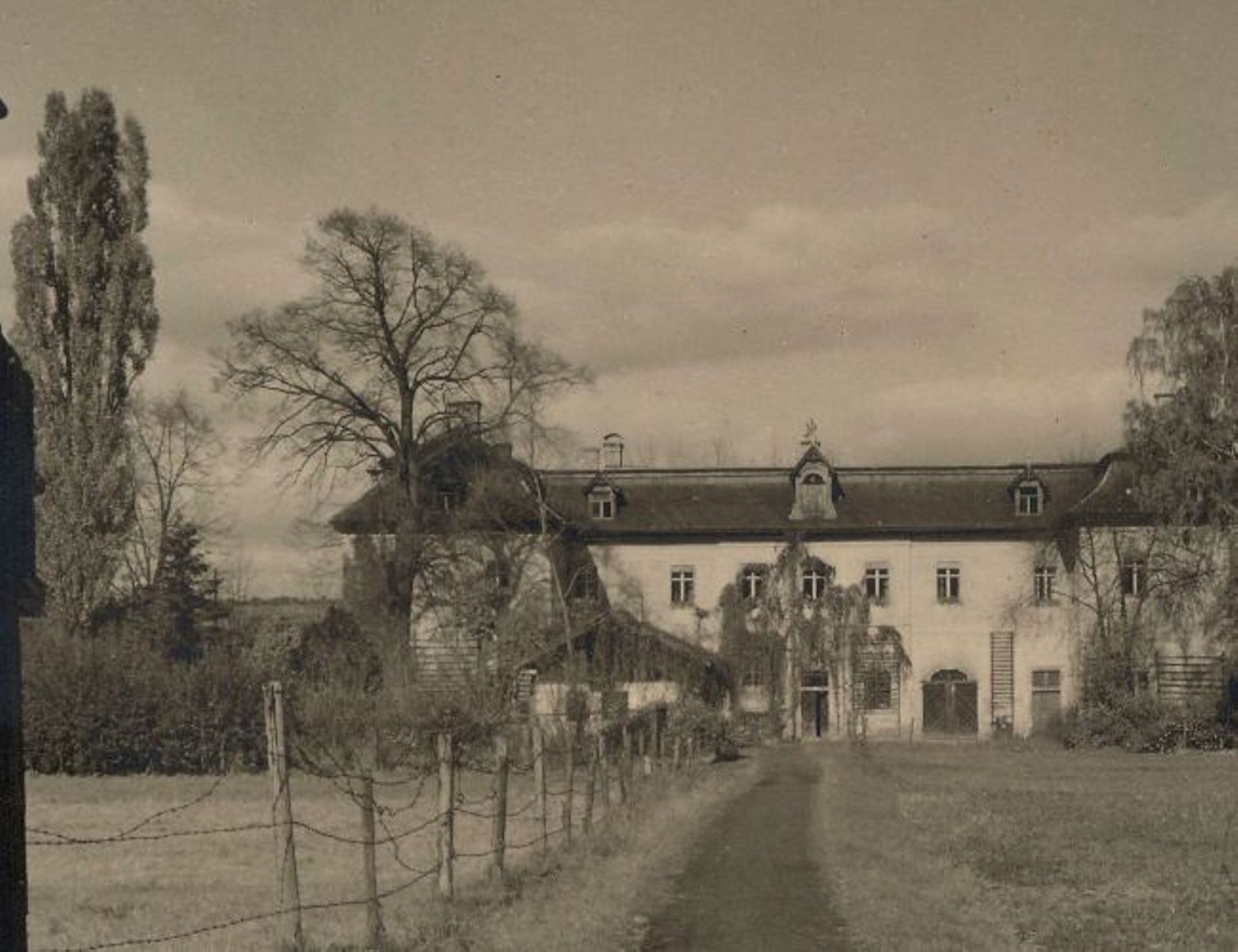
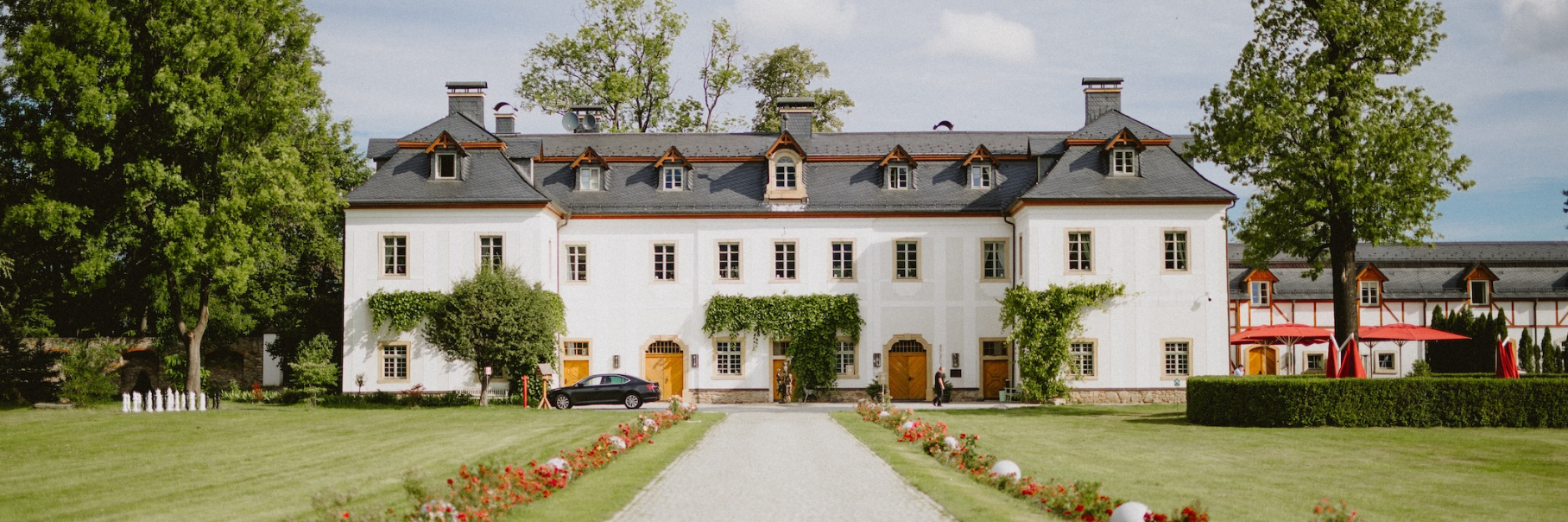
A palace with a history of its own
Pakoszów Palace in Piechowice was built in 1725. It was commissioned by Johann Martin Gottfried, who was involved in the most profitable trade in Silesia at the time—linen cloth. Jelenia Góra textiles were sold throughout Western Europe, and local merchants built residences outside the town that rivalled aristocratic estates in grandeur.
The palace was both a representative residence and a manufactory. On the ground floor, flax was bleached in vats with potash and soap, then spread out in the meadows to whiten in the sun. Social life unfolded upstairs. Frederick the Great stayed here, and around 1800 so did John Quincy Adams, the future sixth president of the United States.
These are not legends from an information board. They are facts confirmed by sources that can be read in the history of the palace.
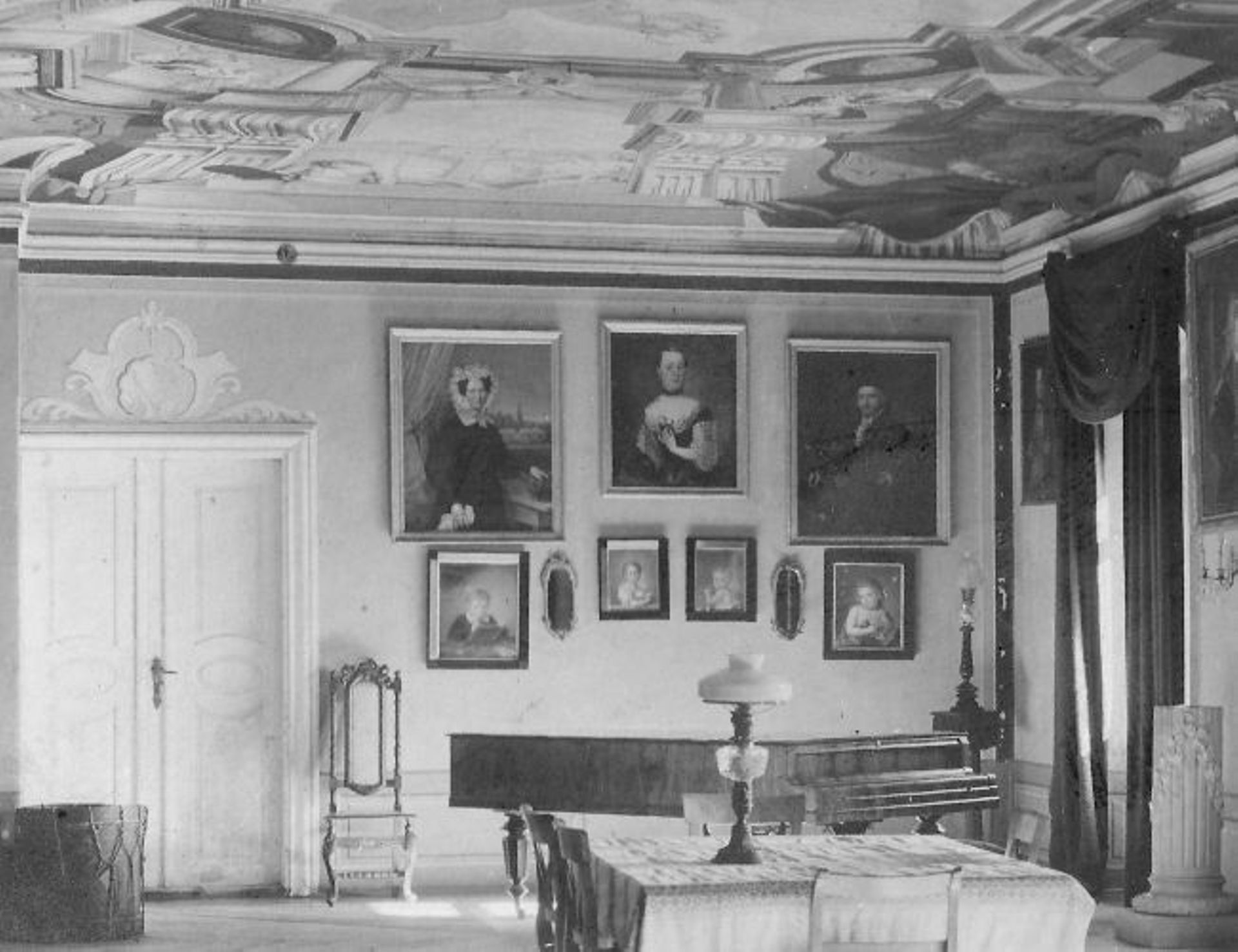
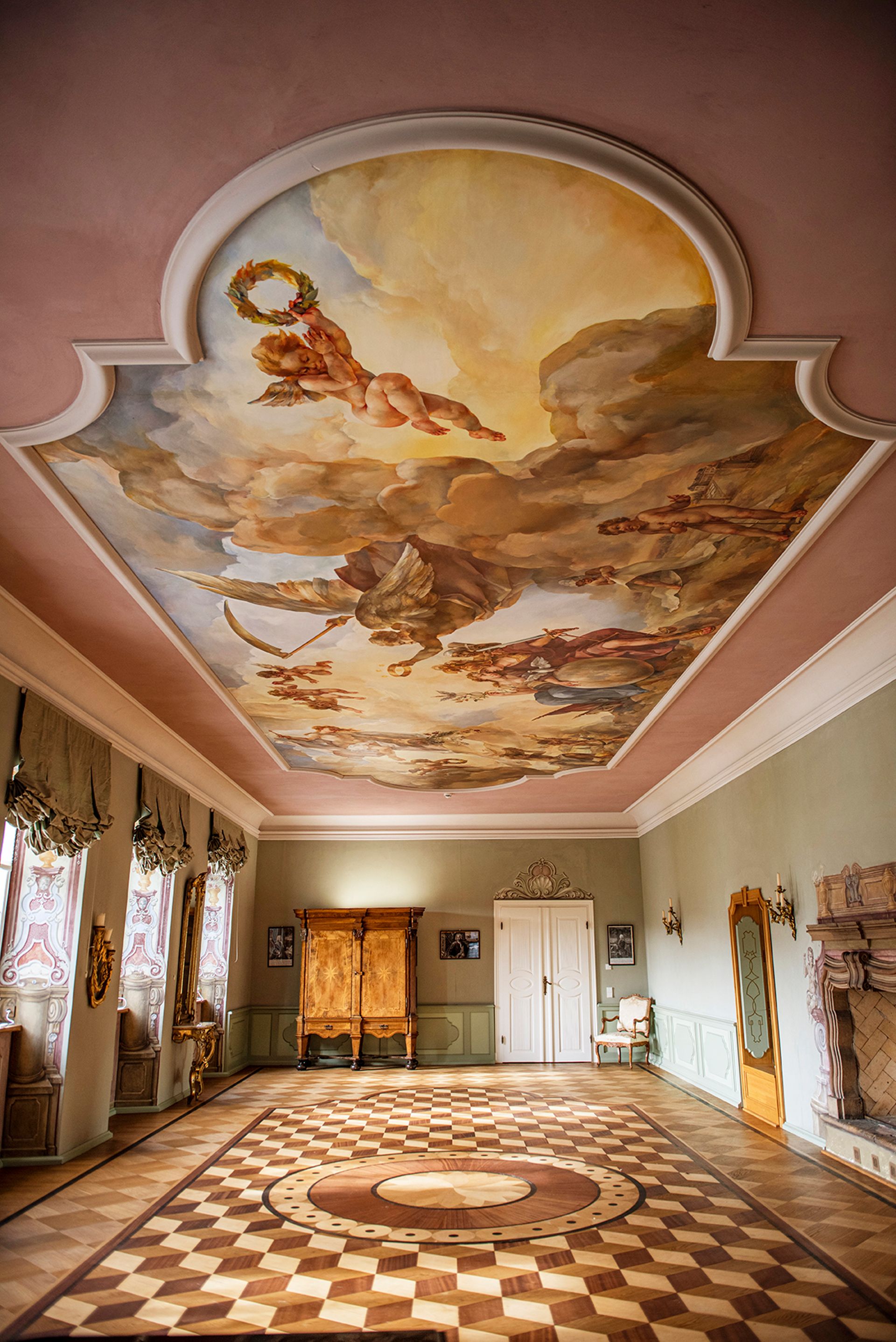
The story of a family that reclaimed its home
The most fascinating part of this story does not concern the 18th century, but the present day. After the war, the palace went through all the stages that befell most residences in the Jelenia Góra Valley—expulsion of the former owners, decades of neglect and gradual deterioration.
Then a descendant of the last owners bought the palace back. The renovation, carried out between 2008-2012 under the supervision of a Dresden painter and conservator, had one goal: to preserve the historical layer rather than replace it with something new. The family returned home. The home returned to life.
This is a story of care and responsibility for heritage—something rare in the world of modern renovations. And that is precisely what makes guests feel the difference, even if they cannot immediately put it into words. The palace does not invent any history.
The Tiled Room and interiors that cannot be recreated
In the palace’s northern wing, in the Blue Tower, there is one of the most extraordinary rooms in the entire region. The Tiled Room is lined with original faience tiles from Delft in the Netherlands, brought here in the 18th century.
At the time the palace was built, transporting them meant hundreds of kilometres by horse-drawn carriage and a cost comparable to a luxury investment. A single Delft tile was a valuable object. A complete, preserved room lined with these tiles is now a European rarity.
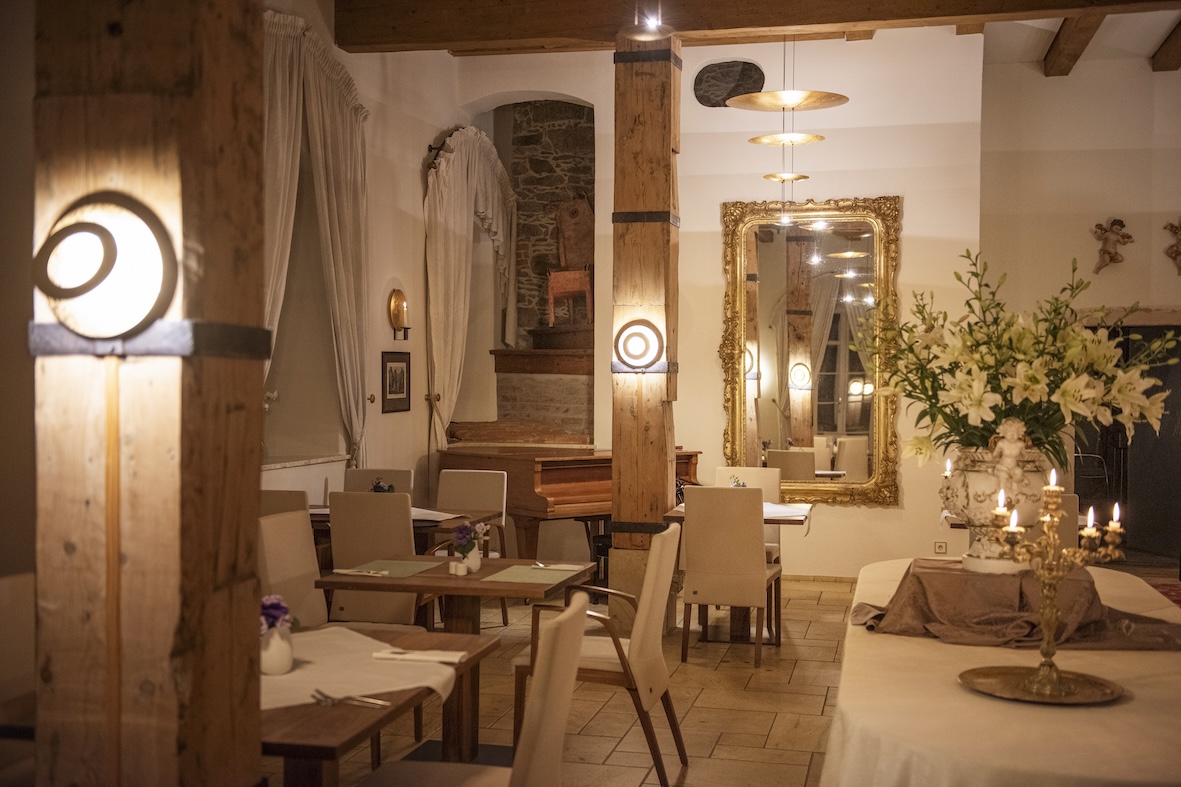
The rest of the palace is no less impressive than this room. A library with volumes in several languages, the Meissen Parlour with porcelain details, and the Baroque Ballroom with stucco work and historic parquet flooring. Every passage is a discovery—and every interior has its own story.

Cuisine and SPA—the everyday moments that are also part of the experience
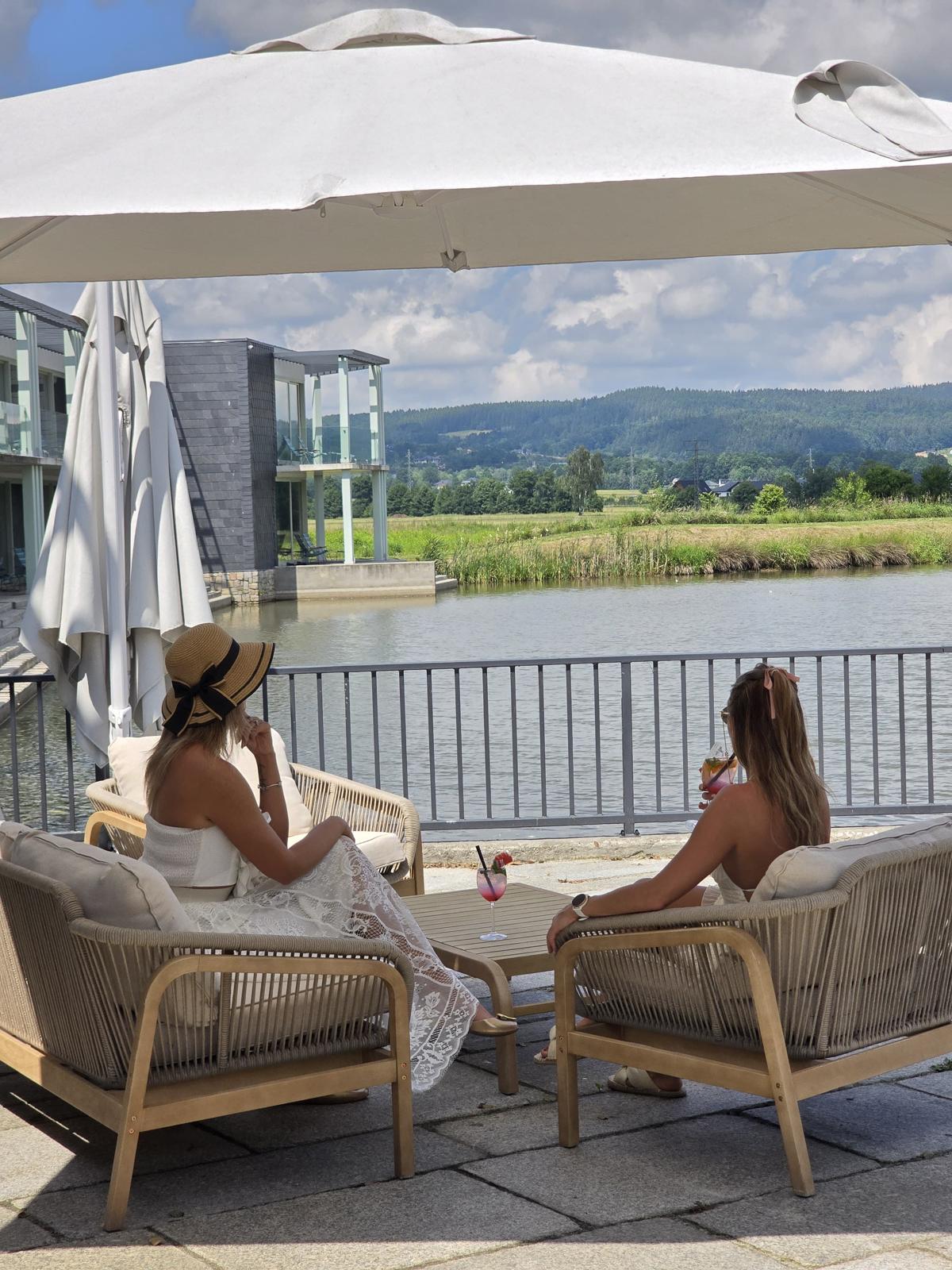
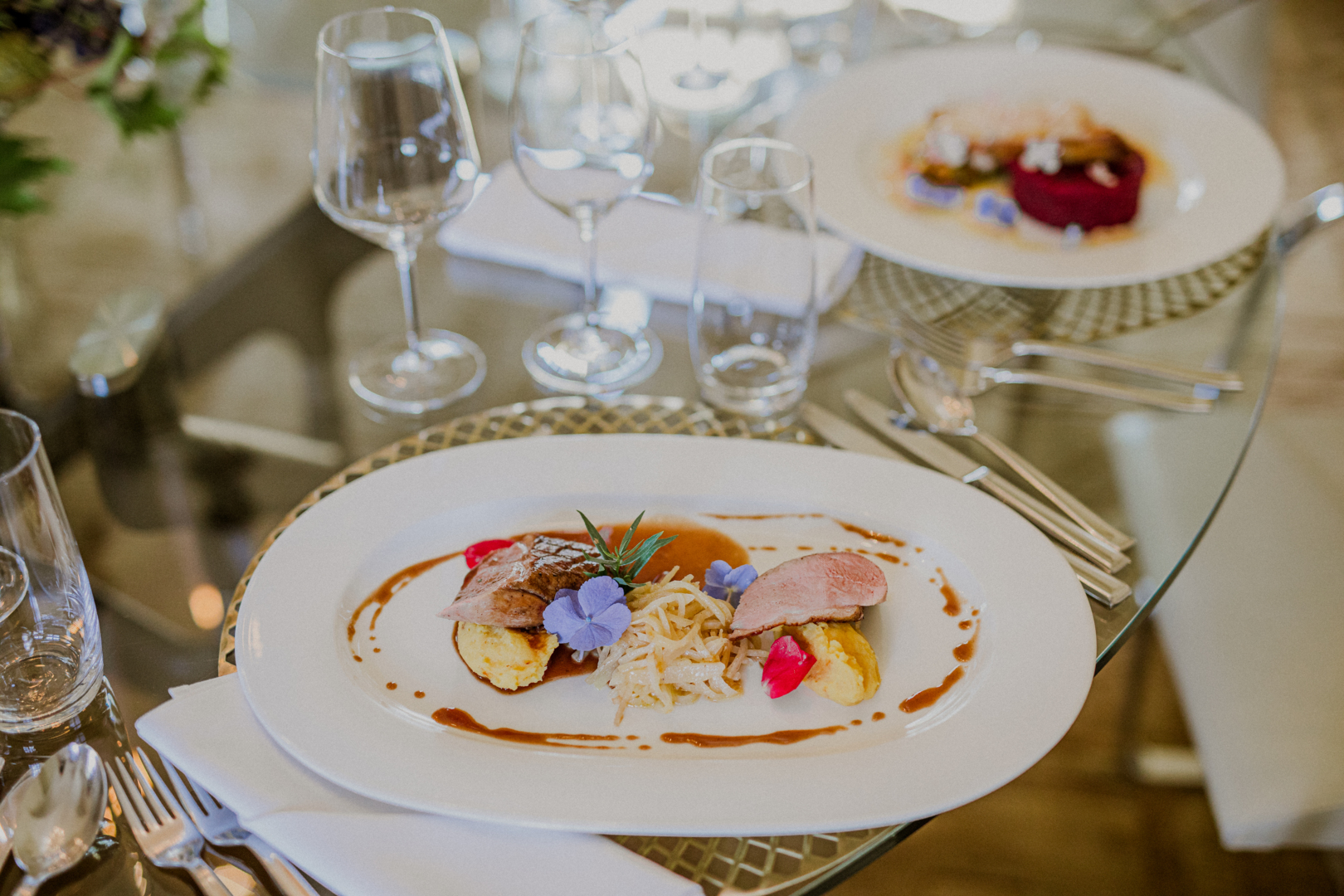
The Stara Bielarnia Restaurant takes its name from the former linen bleaching house, which for centuries was at the heart of life at the palace. Today, it offers cuisine based on local ingredients and a terrace overlooking the pond and the outlines of the Karkonosze Mountains. More about the Stara Bielarnia Restaurant can be found on the palace website.
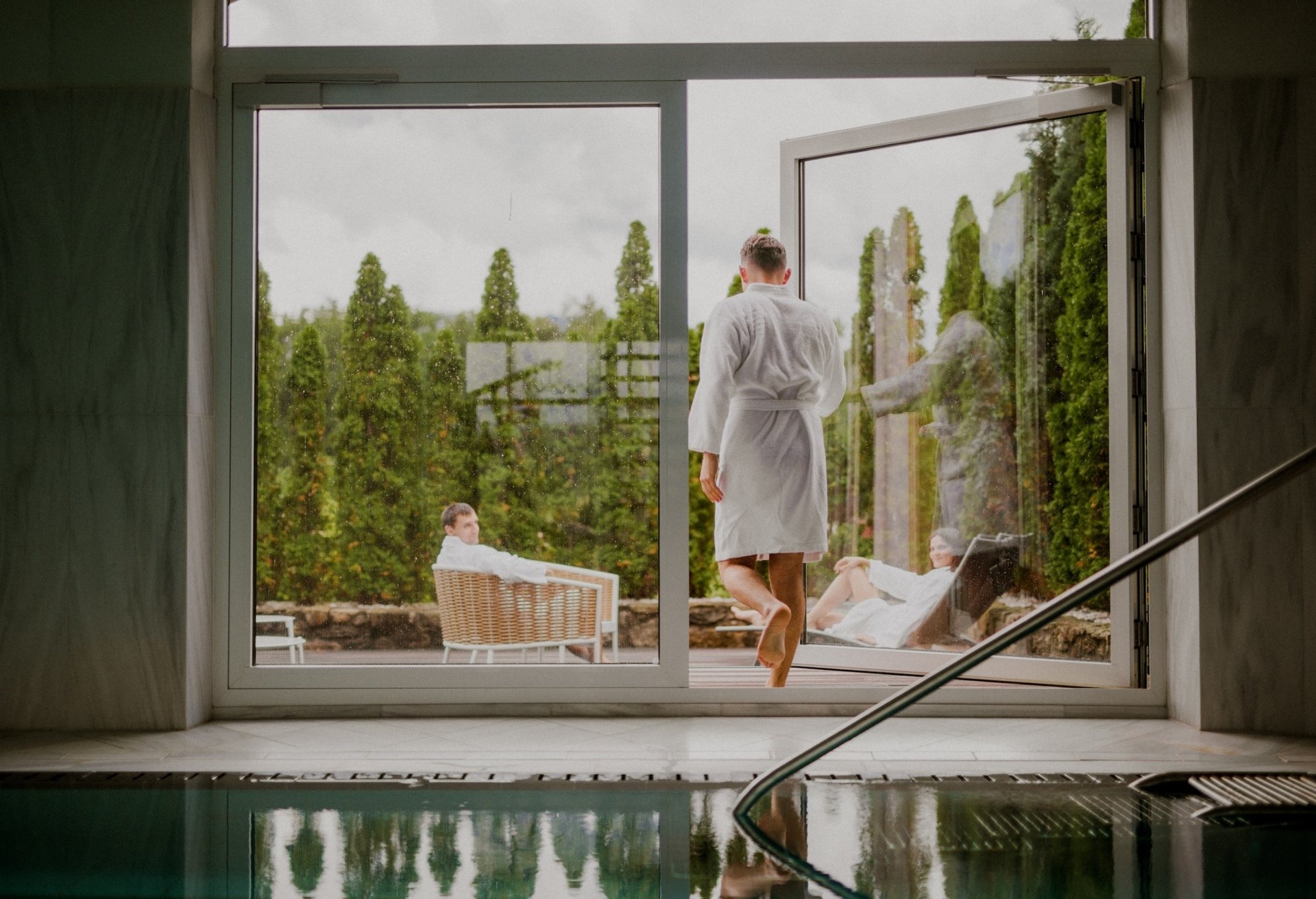
After a day on the trail or touring the nearby palaces, the natural continuation is the palace SPA with a pool and sauna. In an intimate hotel, the wellness area works differently than in a large property—with no crowds around the loungers and no queue for the sauna. There is still water, silence and time.

That is why guests return
Part of this bond is connected with history. Part of it comes from the silence of the park at six in the morning, the light streaming through the old windows, and the feeling of staying in a home that has a life of its own, rather than just hotel traffic. Guests arrive once—and book their next stay when they leave. Sometimes the same room, sometimes a different season, because they have seen how the park changes in autumn.
It is difficult to explain to someone who has never been here. It is easy for anyone who has spent even one night here to understand.
Check availability and plan your stay → Pakoszów Palace packages and offers
FAQ - staying at Pakoszów Palace
How does Pakoszów Palace differ from an ordinary hotel in the Karkonosze Mountains?
Pakoszów Palace is an intimate five-star hotel in an 18th-century Baroque residence. Instead of uniform rooms, there are historic interiors, each with its own character, the Tiled Room with original Delft tiles, a 14-hectare park and a restaurant in a former linen bleaching house. This is a place with a history of its own, not just somewhere to spend the night.
What is the history of Pakoszów Palace?
The palace was built in 1725 as the residence and manufactory of a linen merchant. Frederick the Great and John Quincy Adams stayed here. After the war and decades of neglect, it was bought back by a descendant of the former owners and restored between 2008-2012 under the supervision of a conservator from Dresden.
What is worth seeing inside the palace?
The greatest curiosity is the Tiled Room in the Blue Tower, lined with original 18th-century tiles from Delft. It is also worth seeing the palace library, the Meissen Parlour and the Baroque Ballroom, as well as the 14-hectare landscaped park with ponds.
Does Pakoszów Palace have a restaurant and SPA?
Yes. The Stara Bielarnia Restaurant serves cuisine based on local ingredients, with a terrace overlooking the pond and mountains. The palace SPA has a pool and sauna—in an intimate setting, without the crowds typical of large properties.