

Lower Silesian cuisine in summer means dishes quite different from winter fare. Instead of heavy meats—trout from mountain waters. Instead of warming sour rye soup—chłodnik. Instead of cellar stores—what grows in the forest and ripens in the garden: chanterelles after rain, wild berries and fresh herbs. The same tradition, served lighter.
This guide to the summer menu explains what to eat in the Karkonosze at peak season, when fields and forests are abundant, and where to try it. The natural finale is Pakoszów Palace—but let’s start with what should be on your summer plate.
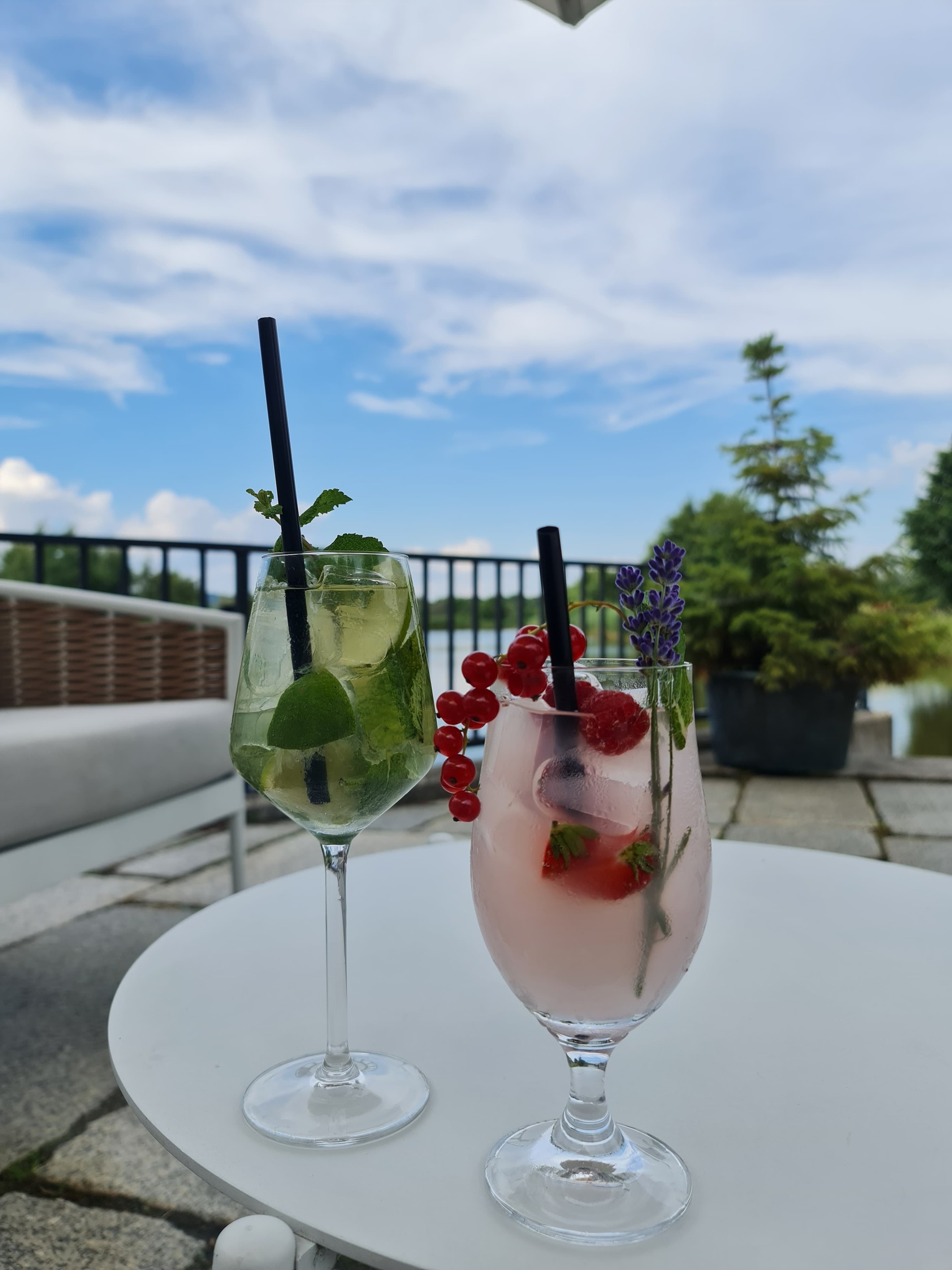
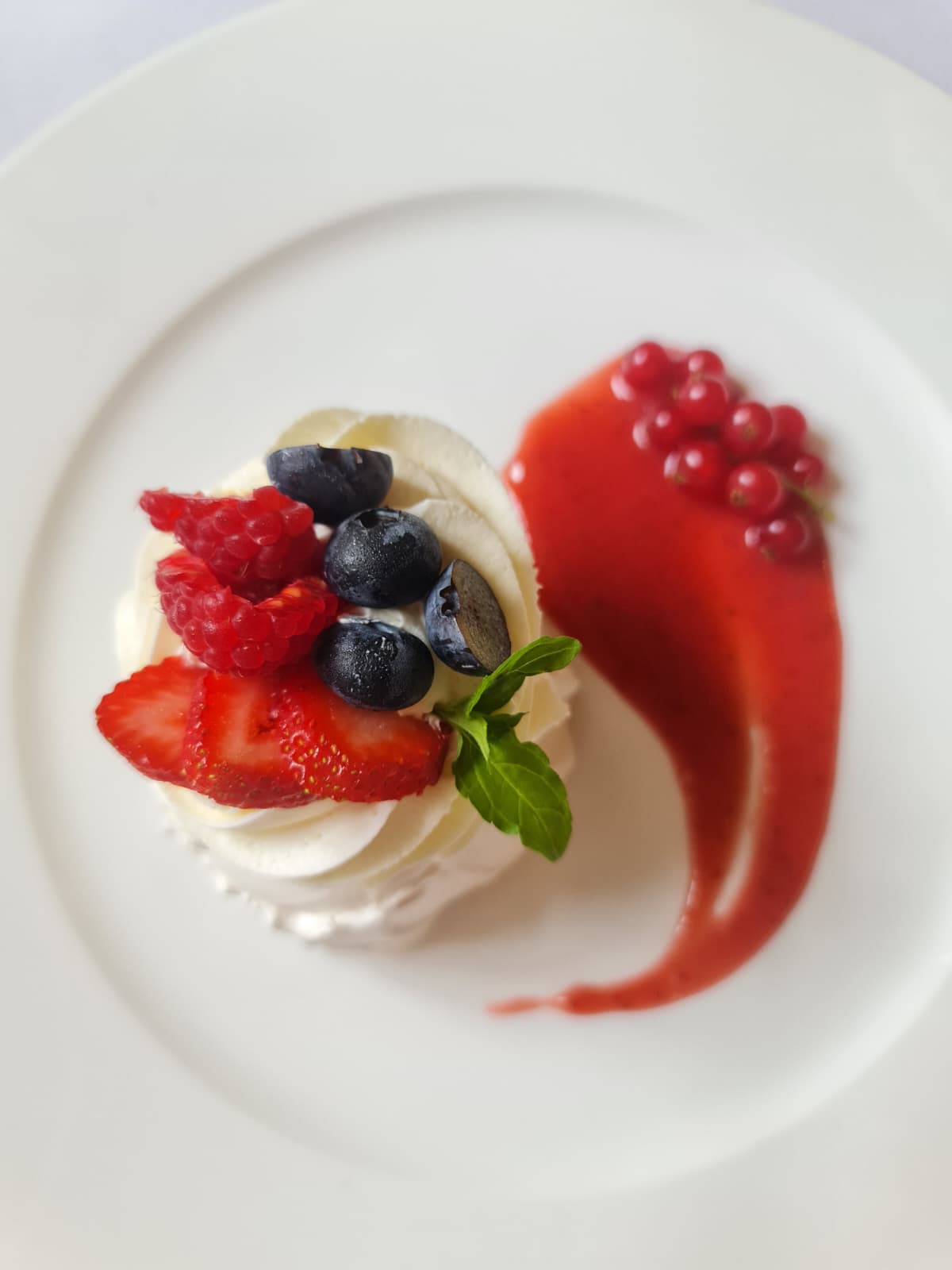
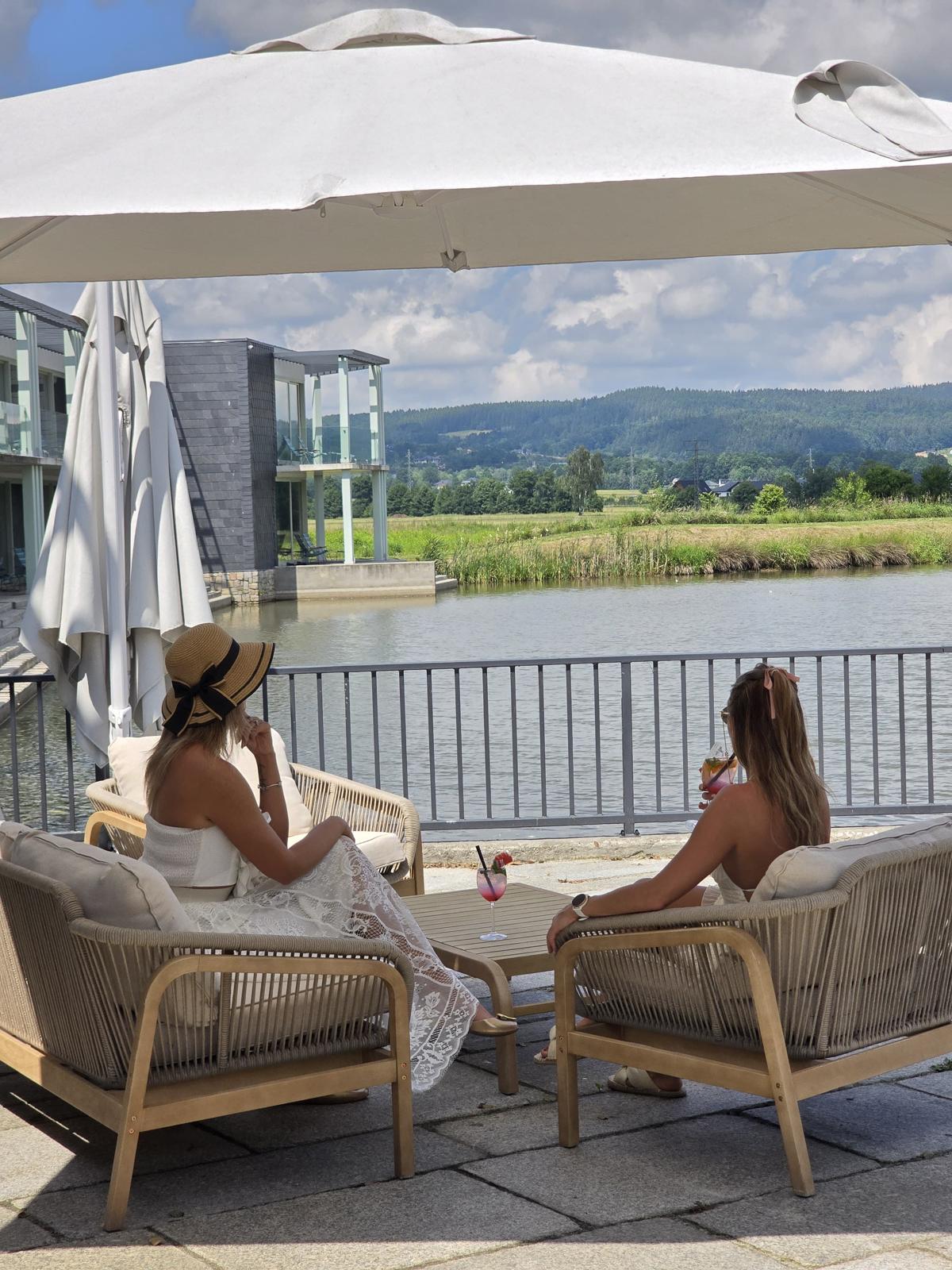
Lower Silesian summer cuisine—how does it differ from winter?
To understand the region’s summer cuisine, first learn winter cuisine’s origins.
Lower Silesian cuisine is among Poland’s youngest and most fascinating regional cuisines, essentially created anew. After 1945, settlers from Poland’s Eastern Borderlands and central Poland moved into areas left by former inhabitants. They brought aromatic pierogi, stuffed cabbage, sour rye soup and borscht. Over decades, these traditions mingled with old Silesia’s remnants, forming a mosaic of Borderland, Polish, Czech and German influences.
This is where the classics you know come from. Silesian dumplings with their characteristic hollow—a thumb-pressed indentation that holds sauce, much like porous Italian pasta. Sour rye soup made with rye starter. Pork neck or ham. These are filling dishes, born in a region where winters were long and work in the fields and weaving mills demanded a warm, substantial meal. As ethnographers noted in 1963, a wedding without dumplings was considered poor.
Summer changes this palette completely. Lower Silesian summer cuisine keeps tradition but sets aside heavy sauces for freshness: young-vegetable broth replaces smoked-meat stock, and trout replaces roast pork.
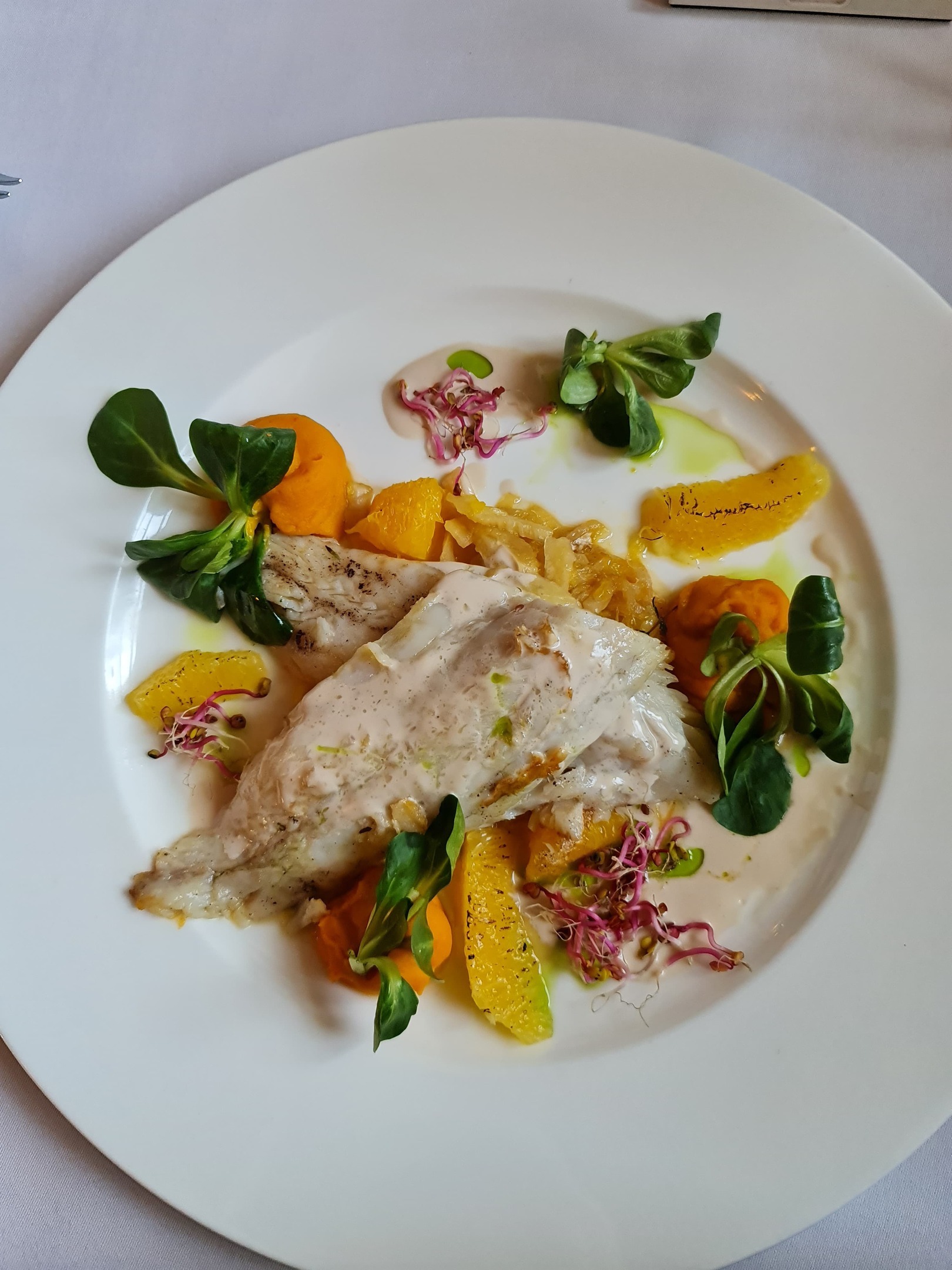
What to eat in the Karkonosze in summer—regional produce
In summer, the region offers what winter lacks: freshness and variety. To answer what to eat in the Karkonosze in summer, look to what is most abundant at the time—in the river, forest and garden.
Mountain streams and ponds provide fish; lower, damp forests yield mushrooms after rain. Their floors are carpeted with blueberries and wild strawberries.
Lower Silesian regional dishes in summer—trout and mountain fish
If summer cuisine in the region has one hero, it is trout.
Raised in the clean, cold water of mountain rivers and ponds, it has become one of Lower Silesia’s culinary symbols. Its flesh is delicate, slightly sweet and subtly textured—everything sought in summer, when heavy meat loses its appeal. Grilled or baked, drizzled with herb butter and served with new potatoes and salad, it tastes like summer.
You needn’t look far. Around the Podgórzyńskie Ponds, right beside Pakoszów, with views of Śnieżka, places have long served trout fried beside the water, among swans and ducks.
Karkonosze summer cuisine—mushrooms, berries and forest
The forest is the region’s second summer
The Jelenia Góra Valley is rich in mushrooms: chanterelles, porcini, bay boletes and slippery jacks grow in lower, damp forests. Locals especially gather them in the Janowice Ridge. They naturally enter regional cuisine: chanterelles in creamy sauces and summer soups, porcini with potato pancakes or stewed in cream. Their flavour defines Karkonosze summer cuisine: forest-like, earthy and scented with rain-soaked leaf litter.
Mushrooms are joined by berries. Wild blueberries and forest strawberries, smaller and more intense than shop-bought ones, fill pancakes, pierogi and blueberry buns.
There is also a third, less obvious treasure: herbs. In the Karkonosze, herb gathering is an old craft—local herbalists once specialised in collecting mountain plants and making medicinal elixirs. This knowledge survives in local cuisine, where herbs are not merely seasoning but also give dishes their character.
Lower Silesian regional dishes—summer classic versions
Summer cuisine replaces regional classics with lighter versions.
Heavy, sour rye soup gives way to chłodnik—pink from beet greens and beetroot, refreshing and served cold. Pierogi remain, but the filling changes: instead of heavy meat, seasonal mushrooms, berries or young cabbage with dill. Even Silesian dumplings—the heaviest classic—appear with different accompaniments in summer: no longer swimming in thick gravy, they sit beside lightly fried vegetables and herbs.
This is Lower Silesian summer cuisine: regional dishes remain on the menu but change their accompaniments and weight. Tradition’s taste remains; its heaviness disappears. Dessert brings fresh berries with whipped cream or fluffy blueberry buns instead of baked apple.
Where to eat Karkonosze regional food—Pakoszów Palace restaurant
Now you know what to eat—but where? The region has inns and fish-fry restaurants, plus a place where seasonal summer cuisine comes in a palace setting.
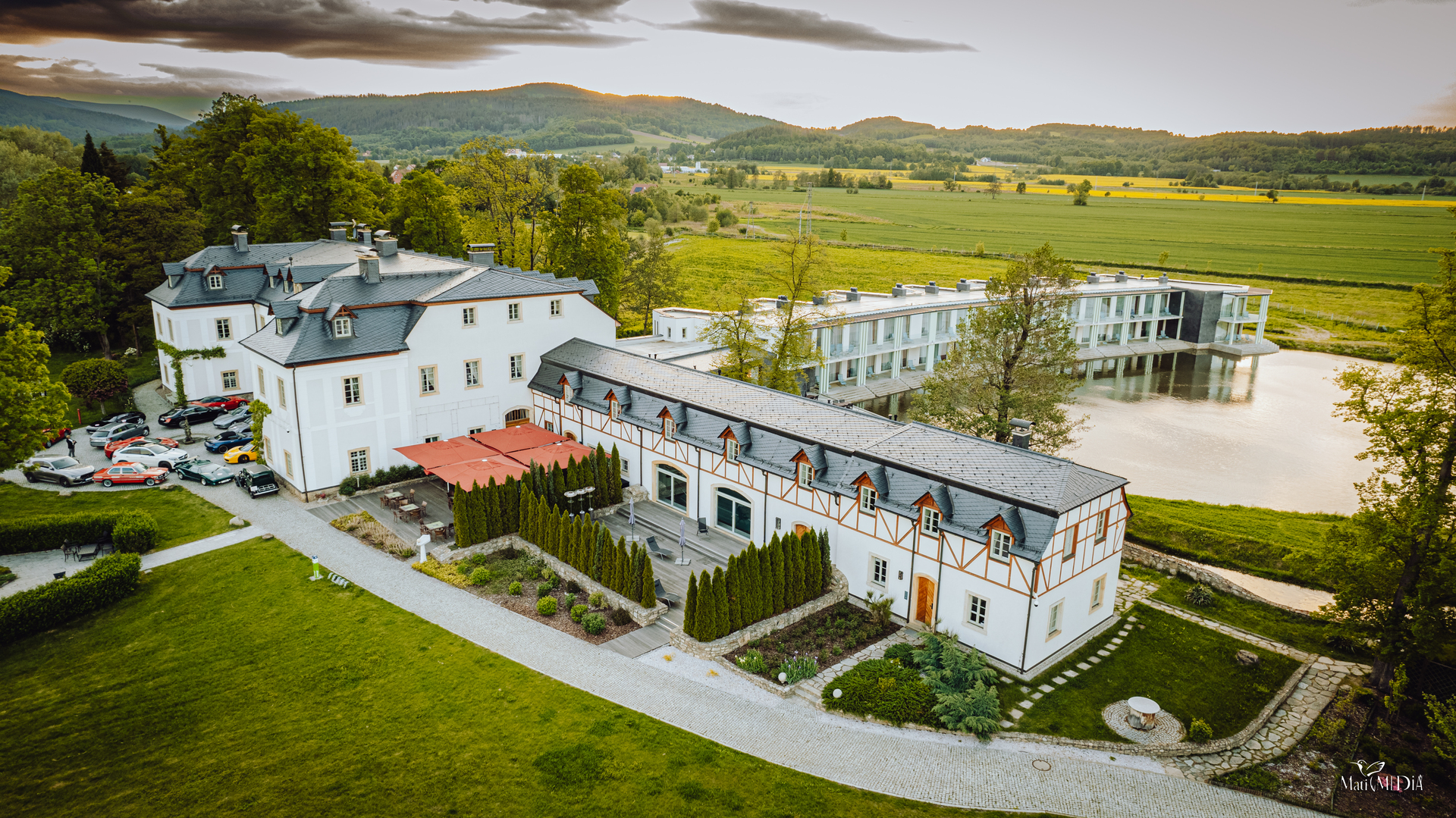
Pakoszów Palace’s restaurant occupies the former linen bleachery, on the ground floor beneath brick vaults, with a fireplace in the main room. Stara Bielarnia is literal, not decorative: for a century, linen was soaked and rinsed here, then spread on nearby meadows to bleach in the sun. Today Chef Robert Szpielak’s cuisine matures here instead, using seasonal ingredients from the Jelenia Góra region and Karkonosze. It combines Polish tradition with fine-dining elements—the meeting this article explores.
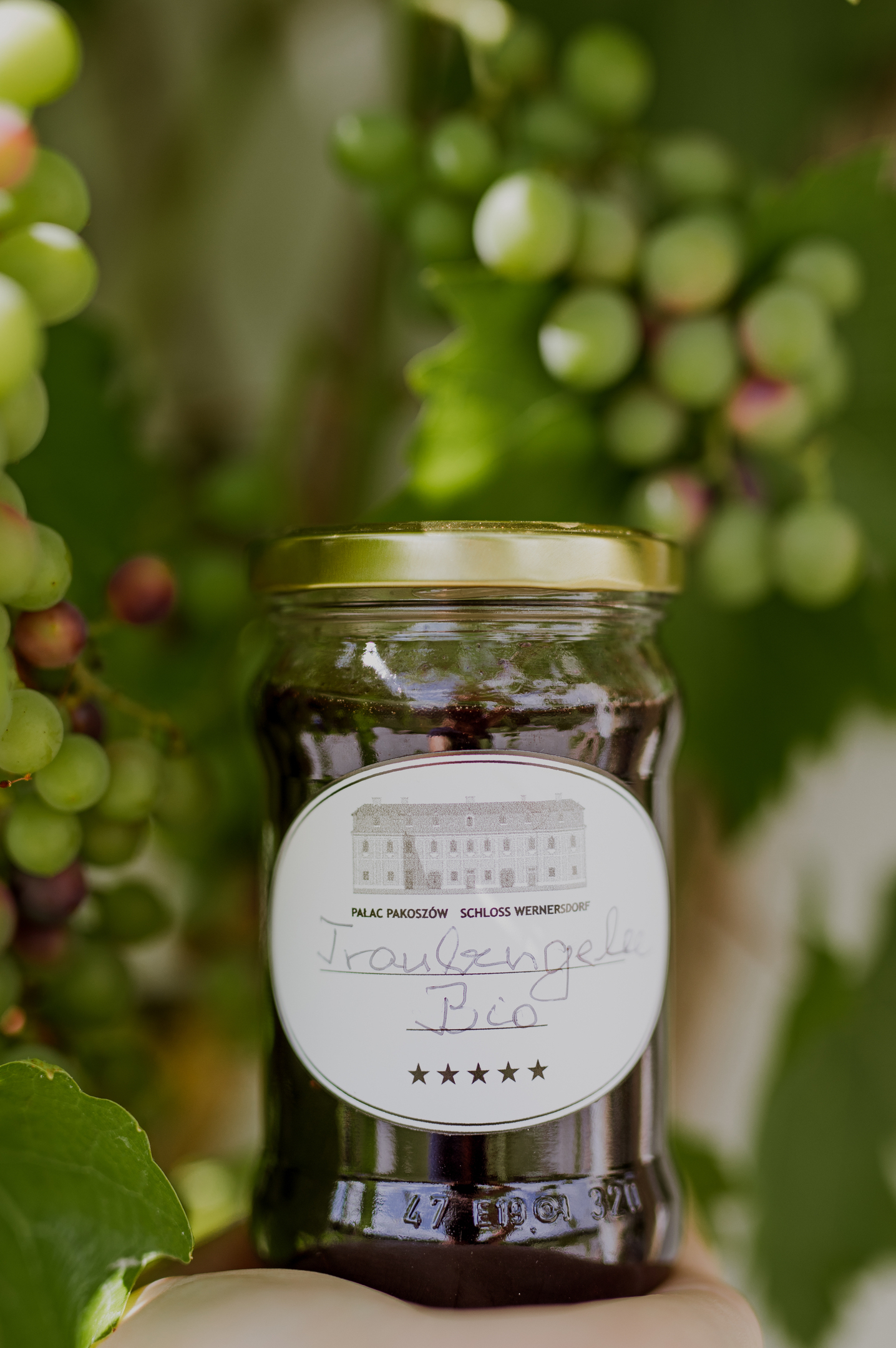
This is not tradition behind glass. The plate may feature placek po karkonosku—a regional classic in a palace setting—while the chanterelles and forest mushrooms for which the area is known become full ingredients, not decoration. One detail best captures the seasonal spirit: grapes grow in the palace garden, and the chef turns them into jelly served with main courses and at breakfast. Few things prove better that an ingredient can reach the plate straight from beyond the window.
In summer, dine on the Rose Terrace. Dinner brings Karkonosze views, surrounded by the palace park and ponds—the same greenery that for centuries supplied regional herbs and inspiration. It shows Lower Silesian summer cuisine can be regional and elegant. Read more about Pakoszów Palace restaurant on the website.
Pakoszów Palace restaurant—seasonal menu and local produce
Seasonality is central here. Pakoszów Palace’s restaurant uses what the region offers at the time; since summer brings the most, the menu flourishes then.
Asparagus, game, forest chanterelles, fresh herbs and seasonal vegetables set the rhythm. Regional dishes receive a light, summery palace interpretation true to tradition, without its heaviness.
Stara Bielarnia restaurant is available to hotel guests and open to outside visitors. To fully experience the atmosphere and history of the palace, consider a longer stay at Pakoszów Palace. Late summer in the mountains can be exceptionally beautiful, and it is also the last chance to try summer specialities. The palace offers a weekend SPA package. Details can be found here.
Lower Silesian cuisine in summer—frequently asked questions
What to eat in the Karkonosze in summer?
Summer focuses on freshness: trout from mountain waters, chanterelles and porcini, wild blueberries and strawberries, seasonal vegetables and herbs. Instead of heavy winter dishes, enjoy lighter versions: chłodnik instead of sour rye soup, seasonal-filled pierogi and grilled fish instead of roast meat. Try them at regional restaurants in the Jelenia Góra Valley, including Pakoszów Palace’s restaurant.
What are Lower Silesia’s traditional regional dishes?
Classics include hollow Silesian dumplings with pork loin / pork neck / ham—“Silesian Heaven”—rye-starter sour rye soup, beef roulades and trout from mountain waters. Lower Silesian cuisine has multicultural roots: after 1945, settlers from Poland’s Eastern Borderlands and central Poland blended their traditions with older regional heritage. In summer, these classics gain lighter, seasonal versions.
Where to eat Karkonosze regional food?
The region offers inns, waterside trout-fry restaurants and regional restaurants. Pakoszów Palace’s restaurant in Piechowice combines regional tradition, seasonality and a palace setting in a former linen bleachery, with a summer mountain-view terrace. Booking ahead is recommended in summer.
What makes Lower Silesian cuisine
Above all, seasonality. In summer, fresh ingredients take centre stage—forest produce, fish from mountain waters, garden vegetables and herbs—instead of heavy, warming winter dishes. Food becomes lighter, brighter and more varied, suited to the warm season.
Can you enjoy regional cuisine at Pakoszów Palace?
Yes. Pakoszów Palace restaurant serves seasonal Jelenia Góra and Karkonosze cuisine combining Polish tradition with fine-dining elements. Placek po karkonosku is served; forest chanterelles and mushrooms are regional ingredients. The menu changes with the seasons.